Unlocking Teen Potential: The Ultimate Guide to Youth Assessments and Evaluations
Navigating the turbulent waters of teenhood can be daunting for both adolescents and parents alike. Picture this: your teenager transforms from a bubbly child to a moody young adult in the blink of an eye. Suddenly, their world is filled with peer pressure, social media expectations, and the pressures of academic achievement. As they embark on this vivid journey of self-discovery, one question looms large: how can we help them reach their full potential? Enter assessments and evaluations – tools that, when used wisely, can ignite self-awareness, guide decisions, and focus that youthful energy into productive channels.
In the whirlwind of examinations and surveys, many may ask: what's the point? Aren't these just another way to put stress on our teenagers? Not quite! When approached thoughtfully, youth assessments can serve as a mirror reflecting their strengths, weaknesses, and growth areas. For instance, a well-structured quiz can uncover hidden talents that otherwise might go unnoticed. Similarly, peer evaluations can provide insights from their closest comrades, adding depth to their self-perception. The fascinating truth is that these assessments can empower teens, turning the process of testing into an engaging exploration of who they are and who they aspire to become.
Consider this quote from the renowned psychologist Carol Dweck: 'In a growth mindset, challenges are exciting rather than threatening.' This mindset is precisely what effective evaluations can foster in adolescents. By embracing experimentation through constructive assessments, young minds can learn to embody resilience. Imagine your teenager excitedly delving into a teen-focused survey that not only assesses their academic skills but also gives them the space to reflect on their passions or hobbies. Such activities can radically change the way they perceive their capabilities, infusing them with confidence that will serve them throughout life.
Furthermore, the significance of tailoring teen resources to meet the unique needs of this age group cannot be overstated. As parents and educators, understanding the importance of approachable and relatable content is key. Engaging assessments should resonate with teenagers’ interests and aspirations, making them feel seen and understood. Whether it's an assessment about their personal values or a testing method that aligns with their future goals, the objective remains the same: to empower teens in their journey while also cultivating a sense of control over their destiny. The right approach can transform evaluations from dull and daunting to insightful and inspiring.
In conclusion, as we assist our teenagers in navigating the complexities of adulthood, assessments should be viewed not as mere trials but as vital stepping stones toward personal growth. By using teenage-focused examination strategies – quizzes that assess interests, surveys that promote self-reflection, and evaluations that pave their paths to success – we unlock a treasure trove of insights for young adults. So the next time a testing day arrives, encourage your adolescent to embrace it with open arms, armed with the belief that they are not just participating in an exercise, but embarking on a meaningful journey towards understanding themselves. Remember, the right evaluation can illuminate the path ahead!
Evaluating Potential: Tools and Techniques for Teen Development
Imagine standing at the precipice of possibility, looking out over the boundless expanse of a teenager's potential. As parents, educators, and mentors, it’s our responsibility to guide them through the tumultuous seas of adolescence towards vibrant shores of self-discovery. But how do we evaluate that potential? The answer lies in the tools and techniques available for youth assessment and evaluation, a practiced art that can illuminate strengths, uncover weaknesses, and pave pathways to personal growth. This blog invites you on a journey to explore the rich world of adolescent evaluation, offering insights that could transform the way you perceive and nurture the young adults of tomorrow.
At the heart of any effective youth evaluation are testing and assessment methodologies that resonate with the unique experiences of teenagers. Think about it: every quiz, survey, and trial isn't just a means of gauging knowledge—it's an opportunity for self-reflection and skill enhancement. In a world flooded with teen-focused content and resources, these assessments stand out as a beacon, guiding adolescents toward self-awareness and resilience. Combine these with peer evaluation, and you’ve got a system that fosters community and support among young adults, forging bonds and enhancing development across the board. Have you ever wondered how a simple exam can lead to such profound transformations?
The teenage years are notoriously challenging. Feelings of uncertainty and questions about identity and future can leave many adolescents feeling lost. Enter the importance of experimentation—within a structured environment, of course! Using evaluations as opportunities for exploration can inspire creativity and innovation in teen development. A well-crafted examination can ignite curiosity, inviting students to embrace challenges, learn from failures, and celebrate victories. Remember the quote, 'To be yourself in a world that is constantly trying to make you something else is the greatest accomplishment.' Through thoughtful assessments, we can aid in this highly meaningful accomplishment for youth. What innovations can we inspire in our teenagers when we allow them the freedom to experiment within their evaluations?
As we dive into effective tools for evaluating potential, it’s crucial to assess not just academic performance but also emotional and social competencies. Consider incorporating multi-dimensional assessments that reflect the multifaceted nature of teenhood. Self-assessments can empower young adults to identify their interests and values, while peer evaluations promote social awareness and empathy among adolescents. With the right approach, such assessments can foster a supportive climate for growth, where teenage voices are heard and respected. So, what’s stopping us from making evaluation an engaging and dynamic activity that promotes genuine teenage development?
Wrapping all this up, the evaluation of youth potential is not merely about scores or statistics—it’s about opening doors to understanding, connection, and growth. As we step forward into a future filled with uncertainty, our teenagers must be equipped with the skills and confidence to navigate their paths. By leveraging the right tools—testing, assessment, and trial—we can play a pivotal role in transforming adolescents into thriving young adults. So let’s champion these practices and inspire our teens to not just think outside the box but to redefine the box itself. How will you begin your journey in evaluating potential?
From Quizzes to Surveys: Understanding Adolescent Growth Through Evaluation
As parents, educators, and mentors, we all desire to unlock the full potential of our youth. But how can we truly understand the unique challenges and opportunities that come with teenhood? Enter evaluations and assessments, the tools that can guide us through the intricate maze of adolescent growth. From quizzes that assess emotional well-being to surveys that gauge academic readiness, these tools offer invaluable insights into the development of our young adults. They are not merely forms of testing; they are gateways to understanding how to support teenagers effectively during this pivotal stage of their lives.
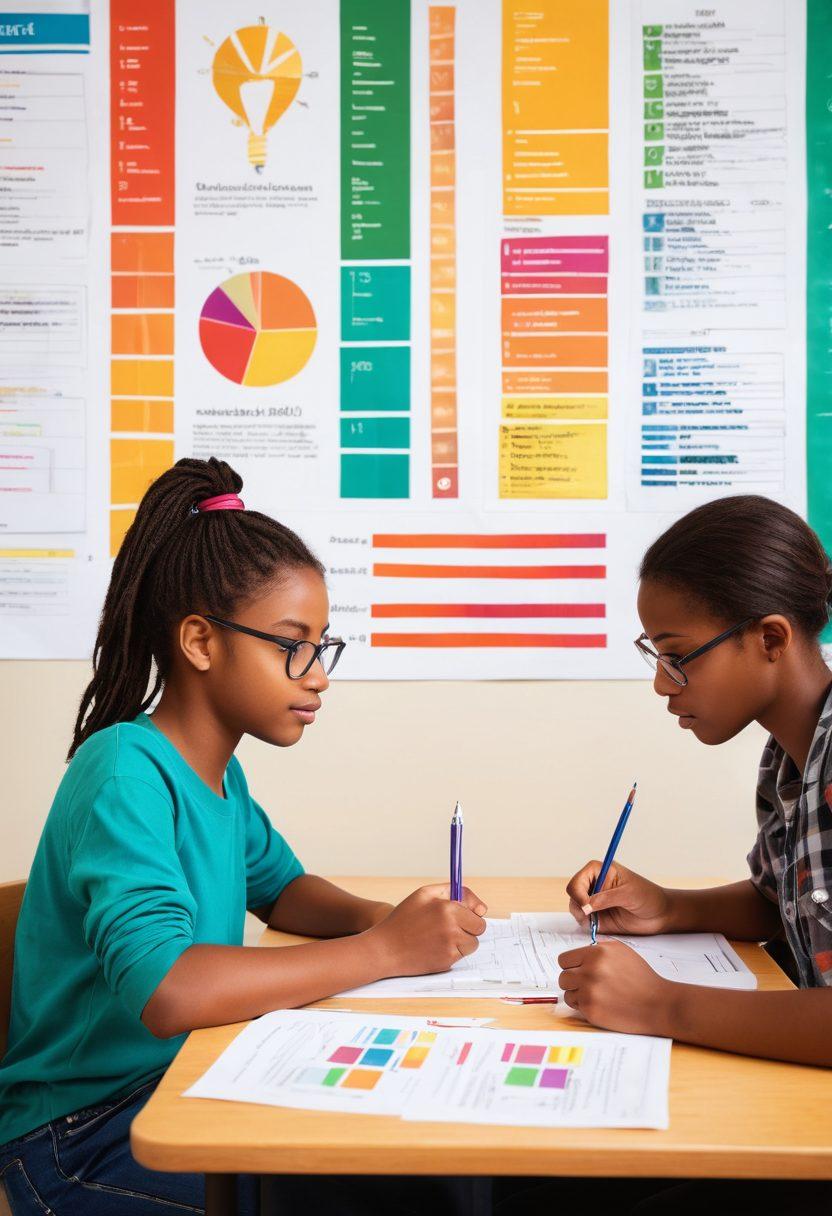
Imagine a teenager meticulously filling out a survey, their eyes darting from question to question. What emotions and thoughts could lie behind each answer? This evaluation process is akin to opening a window into their world. It’s essential to embrace assessments as more than just methods of testing knowledge; they allow us to step into the shoes of a young adult navigating the tumultuous waters of adolescence. Each quiz or peer evaluation serves as a reflection of their experiences, aspirations, and challenges, revealing layers of their personalities that are often hidden in the daily hustle of teen life.
Many ask, "Why should we rely on quizzes and surveys to assess our teenagers?" The answer is simple and powerful: these tools create a platform for experimentation and discussion. Instead of relying solely on traditional student testing methods, we can engage in teen-focused assessments that highlight their interests, values, and goals. In this way, evaluations transform into collaborative journeys of self-discovery. By utilizing diverse resources and encouraging peer evaluation, we can empower teenagers to articulate their thoughts and feelings, making their voices heard in a society that often overlooks them.
Consider this: how does a teenager perceive their journey through teenhood? Do they feel supported in their trials, or are their struggles dismissed? Understanding adolescent growth through evaluations allows us to address these questions with sensitivity and care. Each assessment is an opportunity for reflection, dialogue, and growth. The insights garnered can help educators tailor their approaches, parents foster open communication, and teenagers learn to advocate for their own development. Thus, when we utilize quizzes and surveys effectively, we cultivate an environment ripe for learning and growth.
Ultimately, the goal of any assessment or evaluation should be to nurture young adults, enhancing their development in a supportive space. We must remind ourselves that these tools are not just devices for grading, but rather catalysts for constructive change. As we delve into the world of evaluations, let us approach it all with curiosity and compassion. In the end, the conversations ignited from these assessments can pave the way for our youth to thrive and flourish—allowing their unique potential to shine brightly.